
Dirt & Air Separation :
Complete Guide
What is Dirt and Air Separation?
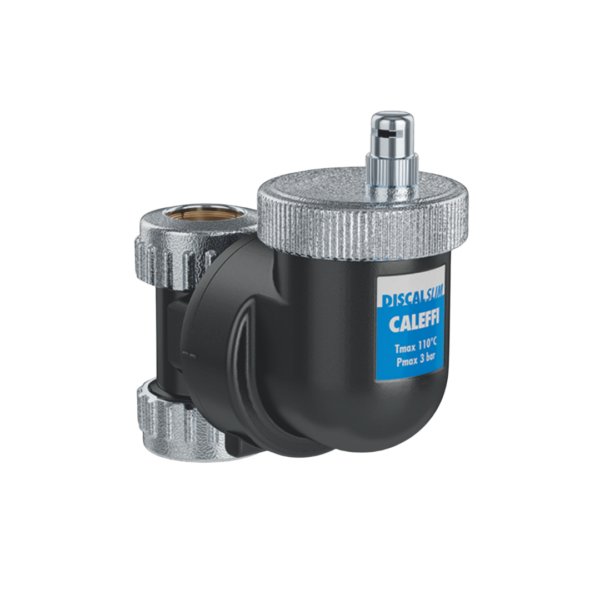
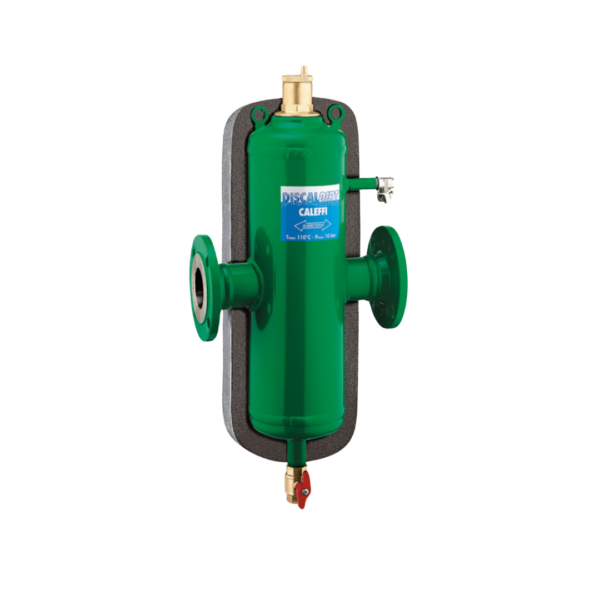
Dirt and air separation is the process of removing solid contaminants (such as magnetite, sludge, sand and debris) and trapped air (microbubbles and free air) from heating and HVAC systems. These contaminants reduce system efficiency, increase wear on components, and can lead to premature failure if left untreated.
How does a Dirt and Air Separator work?
Dirt and air separators are installed in the system flow, typically at points of high temperature and low pressure where separation efficiency is greatest.
Dirt separation process:
- Internal elements slow the system flow
- Heavier particles drop out of suspension
- Magnetic components capture ferrous debris (magnetite)
- Contaminants collect in a removable chamber for easy servicing
Air separation process:
- Microbubbles combine on internal surfaces
- Air rises naturally to the top of the unit
- Automatic air vents discharge air safely from the system
Why is Dirt and Air Separation Essential in Modern Heating Systems?
Dirt and air are two of the most common causes of system inefficiency and breakdown in sealed heating systems.
Problems caused by dirt contamination:
- Blocked heat exchangers
- Pump and valve wear
- Reduced heat output
- Increased energy consumption
- System noise and breakdowns
Problems caused by air in systems:
- Cold spots in radiators
- Corrosion due to oxygen ingress
- Cavitation in pumps
- Reduced circulation efficiency
Effective dirt and air separation protects boilers, heat pumps, radiators and underfloor heating systems, ensuring long-term performance and compliance with modern system standards.